
Bali is known for its deeply spiritual culture, where ancient healing traditions still shape everyday life. Temples sit beside rice fields, offerings appear on doorsteps each morning, and water is treated as something sacred rather than ordinary. If you are looking for an authentic encounter with this side of the island, and a session with a traditional Balinese healer, consider taking part in a Melukat purification ritual, a sacred cleansing ceremony that clears negative energy and helps restore inner balance.
Performed with holy water, prayers, and offerings, Melukat is believed to purify the body, mind, and soul, washing away stress, emotional weight, and bad karma. Whether you are seeking spiritual healing, an emotional release, or simply a fresh start, this centuries old ritual offers a grounding and often deeply moving experience. This guide explains what Melukat is, where it comes from, what happens during a ceremony, the best places to experience it, and how to prepare so you can take part with confidence and respect.
What is Melukat?
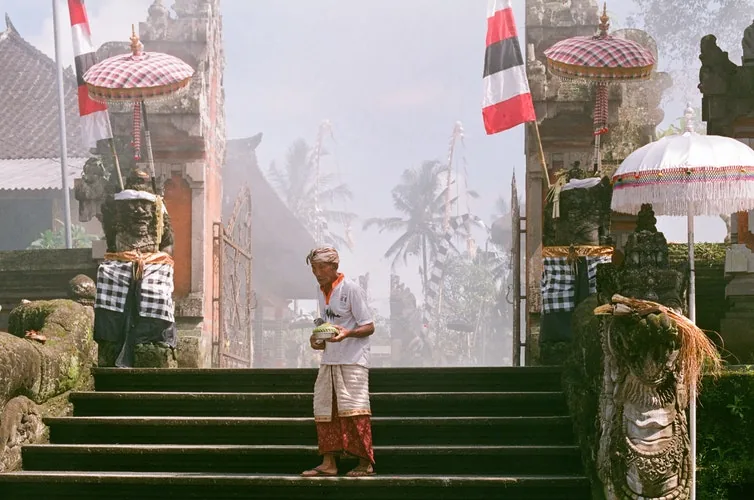
Melukat is a Balinese water purification ritual and one of the most meaningful practices within the island’s form of Hinduism. The word comes from the ancient Javanese language, Kawi, where “lukat” means to cleanse or to purify. In Balinese belief, the ritual removes “mala,” the impurities and negative influences that build up in a person over time, and it restores a sense of clarity and spiritual alignment.
At the heart of the ceremony is “tirta,” or holy water. Water holds a special place in Balinese Hinduism, so much so that the religion is sometimes called Agama Tirta, the religion of holy water. Springs, rivers, and sea are seen as living sources of energy that can carry blessings and wash away what no longer serves you. Bathing in this blessed water is understood as a way to cleanse not only the physical body but also the emotional and spiritual layers that ordinary washing cannot reach.
Melukat also reflects the Balinese philosophy of Tri Hita Karana, the idea that wellbeing comes from harmony between people and the divine, between people and one another, and between people and nature. Standing beneath a spring or waterfall, surrounded by temple walls and the sound of moving water, many visitors feel this connection in a very direct way. To understand the wider context, it helps to read about Balinese Hinduism and its role in spiritual healing, which sits at the foundation of rituals like this one.
When Is Melukat Performed?
Melukat can be requested at almost any time, but it is traditionally carried out on days that Balinese Hindus consider spiritually significant. These include Purnama (the full moon), Tilem (the new moon), and Kajeng Kliwon, a recurring day in the Balinese calendar associated with heightened spiritual energy. Another popular time is Banyu Pinaruh, the day after Saraswati, when many Balinese bathe in the sea or at holy springs to cleanse the mind and welcome knowledge.
People also turn to Melukat around meaningful moments in life. Common reasons include releasing negative energy and emotional distress, recovering from illness or a run of bad luck, marking a birthday or a personal milestone, or seeking renewal before an important decision or new chapter. In a culture where ceremony marks nearly every transition, purification is a natural way to close one cycle and begin another. If you are curious about how deeply ritual is woven into local life, our article on how Balinese people celebrate Nyepi, the day of silence offers a striking example.
What to Expect During a Melukat Ceremony
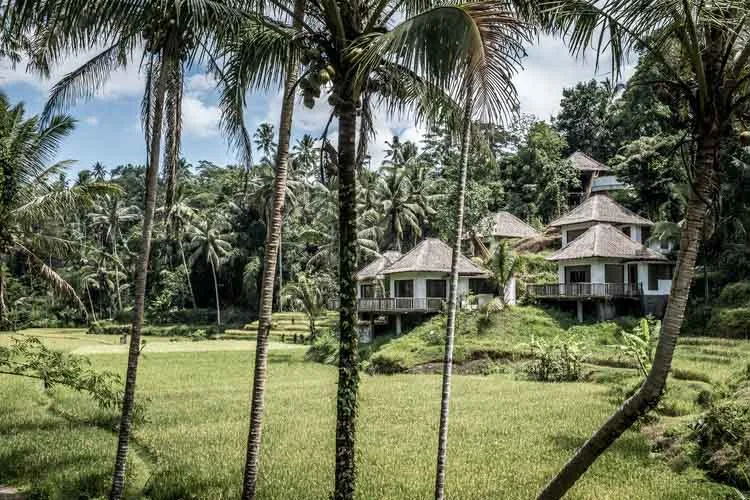
Every ceremony is guided by a spiritual practitioner, and the exact form depends on who leads it. A Balian is a traditional healer, while a Pemangku is a temple priest, and a Pedanda is a high priest of the Brahmana caste. Each has their own style, yet most Melukat ceremonies follow a similar flow.
The ritual usually begins with offerings. Small woven trays of flowers, incense, and rice known as canang sari are presented at the temple shrines as a gesture of gratitude and respect. Offerings are a daily act of devotion across the island, and you can learn more about their meaning in our piece on the role of offerings in daily Balinese life. After the offerings, the priest or healer leads a prayer and invites you to set a clear intention for what you wish to release or welcome.
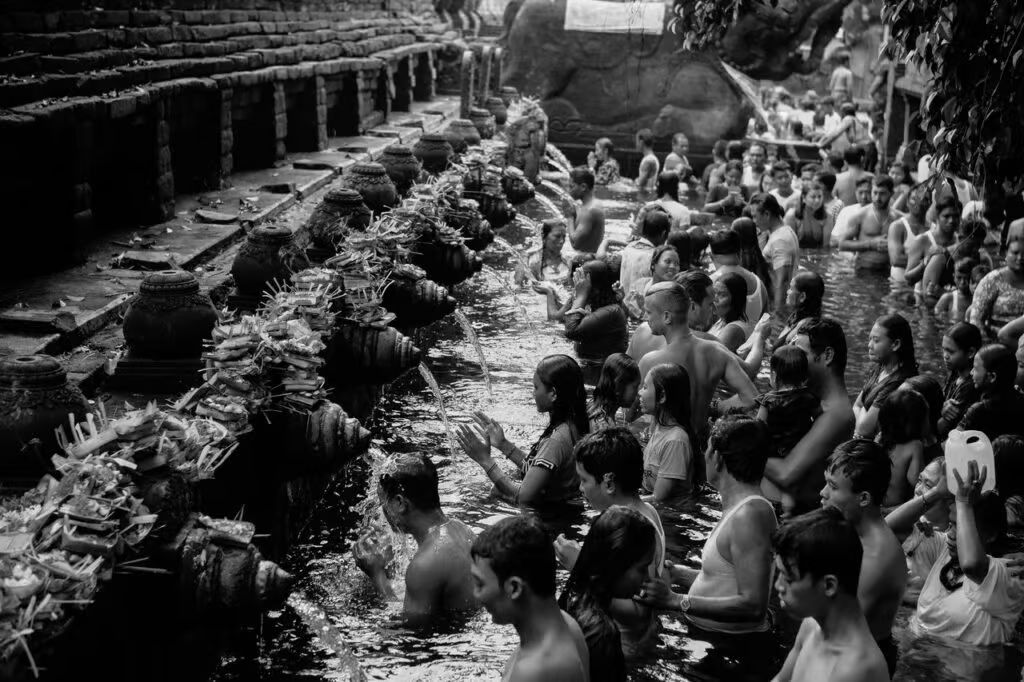
Next comes the cleansing itself. Dressed in a sarong, you enter the water and pass beneath a series of blessed spouts or stand under a spring or waterfall. At each source it is common to pray, cup the water, and let it flow over your head three times before moving to the next one. The healer may chant sacred mantras, sprinkle blessed water, and place flowers on your head as part of the purification. Many ceremonies close with a final blessing, where the priest touches holy water and a few grains of rice to your forehead, throat, and temples.
People often describe feeling lighter, calmer, and more clear headed afterward, as if a weight has quietly lifted. The combination of cold spring water, focused prayer, and full presence has a way of resetting both body and mind.
Where to Experience Melukat in Bali
Melukat is performed at holy water sources across the island, from grand temple complexes to quiet jungle springs. Some of the most respected places include:
Tirta Empul Temple. The most famous purification temple in Bali, founded in 962 AD during the Warmadewa dynasty. Its name means holy water spring, and local legend tells that the god Indra pierced the earth to create the spring during his battle with the tyrant Mayadenawa, a story of good triumphing over evil. The temple is arranged in three courtyards, and the main bathing pool holds a long row of carved stone spouts fed by the sacred spring. A few of these spouts are reserved for funeral rites, so it is important to follow the temple attendants who show which fountains to use and in what order.
Pura Mengening. A quieter temple close to Tirta Empul, set among greenery with clear natural spring pools. It offers a similar experience with far fewer crowds.
Pura Gunung Kawi Sebatu. Sometimes called the water garden temple, known for its koi ponds and crystal clear spring water in a peaceful setting north of Ubud.
Tirta Sudamala, Bangli. A riverside purification site with a calm atmosphere, popular with locals seeking healing.
Taman Beji Griya Waterfall. A dramatic waterfall near Ubud where the ceremony takes place beneath falling water, guided by a local priest.
Pura Dalem Pingit, Sebatu. Considered spiritually powerful and often chosen for deeper healing work with an experienced practitioner.
You do not always have to travel far to take part. Many Balinese healers also conduct Melukat in more private settings, such as a retreat or villa, which can feel calmer and more personal, especially for a first ceremony. If you enjoy visiting sacred sites, you may also like our guide to the iconic Tanah Lot sea temple.
The Spiritual and Emotional Benefits of Melukat
Melukat is far more than a physical wash. It is a spiritual practice that many people find genuinely restorative. The ritual is believed to help release heavy emotions such as stress, sadness, and anxiety while clearing the aura and settling the mind. By letting go of this built up energy, participants often feel a renewed sense of calm and purpose.
The ceremony is also thought to strengthen your spiritual connection and intuition, helping you feel more in tune with yourself and your surroundings. For those moving through grief, burnout, a major life change, or simply a period of feeling stuck, Melukat can offer a symbolic and emotional reset, a moment to consciously leave the past behind. Because it works with the body’s subtle energy, it pairs naturally with other Balinese practices, from chakra healing to the deep relaxation of sound healing with singing bowls. Together these traditions form a broader landscape of Balinese healing rituals that visitors can explore during a longer stay.
How to Prepare for a Melukat Purification Ceremony
A little preparation helps you get the most from the experience and shows respect for a living religious tradition. Keep these points in mind before your ceremony:
Dress modestly. Wear a traditional Balinese sarong and sash, which can often be rented or provided at temples. Bring a change of dry clothes and a towel, since you will get fully wet.
Come with an open heart. Approach the ceremony with sincerity and a clear intention rather than treating it as a photo opportunity. Your mindset shapes the experience.
Follow the healer’s guidance. The priest or healer will explain each step, the prayers, and the order of the spouts. Simply follow their lead.
Eat lightly beforehand. A lighter stomach makes it easier to stay present and comfortable during the ritual.
Respect the etiquette of the site. Move quietly, avoid using soap or shampoo in the pools, do not drink the water, and be mindful of worshippers around you. By tradition, women who are menstruating do not enter temple pools, out of respect for local beliefs about ritual purity.
If you are already planning a wellness trip, our checklist on what to pack for a yoga retreat in Bali covers many of the same essentials, from a sarong to quick drying layers.
Combining Melukat With Yoga and Wellness in Bali
Melukat rarely stands alone. Many travellers weave it into a wider wellness journey that also includes yoga, meditation, and traditional bodywork, allowing the calm from the ceremony to carry through the rest of their stay. Gentle morning yoga and breathwork prepare the mind for the ritual, while a treatment such as a traditional Balinese massage afterward helps the body relax even further.
This blend of movement, stillness, and ceremony is at the heart of the Balinese approach to wellbeing. Our article on combining yoga and spiritual healing in Bali explains how these practices support one another, and why so many people leave the island feeling reset rather than simply rested. For a structured experience, a dedicated yoga retreat or a Bali spa retreat can bring these elements together in one place.
Experience Melukat at Pelan Pelan Bali
At Pelan Pelan Bali, a surf and yoga retreat in Canggu, we offer a calm and welcoming space to connect with a traditional Balinese healer and experience purification rituals in a safe and unhurried way. Our Yoga and Wellness Package combines meditation, yoga sessions, and wellness activities, making it an ideal setting for healing and self discovery, and it includes one meditation and four yoga sessions.
If you would like to slow down, step away from everyday life, and give yourself time to surf, relax, and reconnect, you have found the right place. Many guests choose to pair their practice with our surf and yoga retreat for the best of both worlds. Ready to begin? Book your stay at Pelan Pelan Bali and let the island help you find your balance again.