


Starting your day with yoga is a wonderful way to wake up the body, improve flexibility, and settle the mind. What you eat beforehand has a real effect on your energy, focus, and how comfortable you feel on the mat.
A heavy meal too close to class can make twists, folds, and inversions uncomfortable, while practicing on a completely empty stomach can leave you lightheaded or low on energy. The goal is a light, nutrient-dense snack or small meal that gives you steady energy without weighing you down.
This guide covers the best foods to eat before yoga, simple recipes you can prepare in minutes, how long to wait before practicing, and which foods are better to avoid. Whether you practice a gentle style of yoga or a more dynamic flow, the right fuel helps you get the most out of every session.
Why What You Eat Before Yoga Matters
Yoga asks the body to move, stretch, balance, and breathe deeply, often with pressure on the abdomen. Digestion draws energy and blood flow toward the stomach, so a large meal competes with your practice and can cause bloating or nausea during forward folds and twists.
At the same time, food is fuel. Light, easily digestible carbohydrates give you quick energy, while healthy fats and a little protein help that energy last. The aim is to feel light and comfortable, yet supported enough to stay focused and strong through class.
The Best Foods to Eat Before Yoga
These pre-yoga options are light, easy to digest, and simple to prepare. Choose one based on how much time you have before class and how hungry you feel.
1. Fresh fruit: natural energy boosters
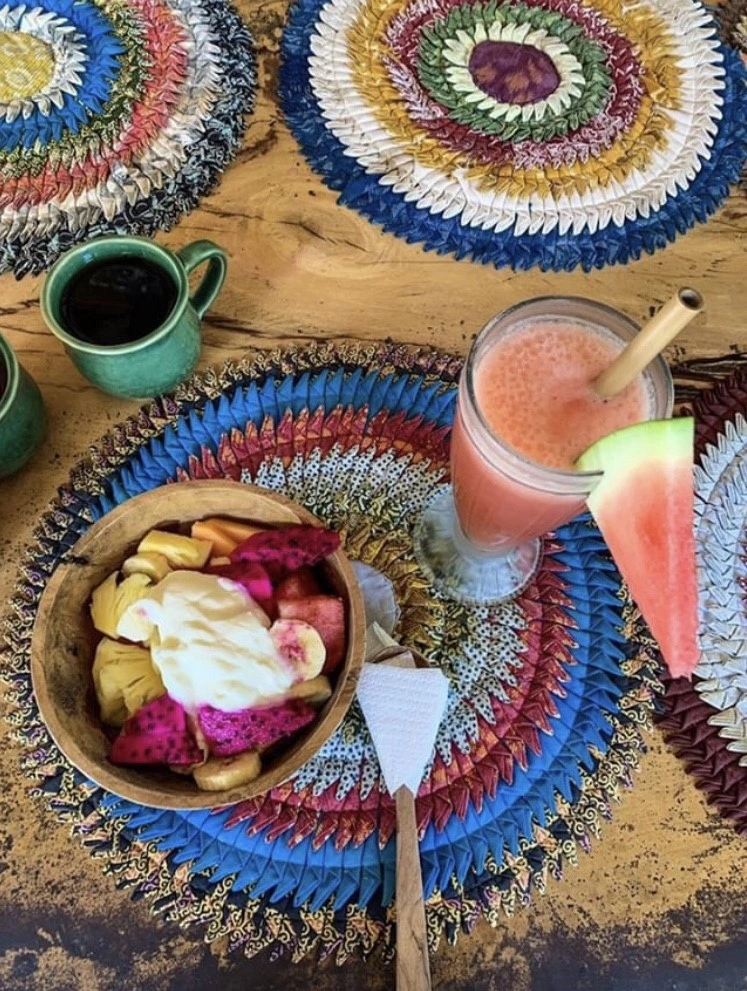
Fruit is hydrating, easy to digest, and full of nutrients. It provides natural sugars for quick energy while staying light on the stomach, which makes it an ideal choice shortly before practice.
Good fruits to eat before yoga:
- Bananas: high in potassium and magnesium, which help prevent muscle cramps and sustain energy.
- Avocado: rich in healthy fats and minerals, keeping you satisfied without feeling heavy.
- Berries: low in sugar and high in antioxidants, supporting digestion and steady energy.
- Apples: a mix of fiber and natural sugars for a slow, even energy release.
Tip: combine sliced fruit with a scoop of unsweetened yogurt for a little protein and probiotics, which support digestion and gut health.
2. Smoothies: quick and nutritious
A light smoothie is one of the best pre-yoga options because it is easy to digest, hydrating, and simple to tailor to your needs. Use a few easily absorbed ingredients and keep the portion modest.
Easy pre-yoga smoothie recipe:
- 1 banana, for energy and potassium
- Half an avocado, for healthy fats
- 1 cup almond milk, for hydration and light protein
- Half a teaspoon of honey, for natural sweetness
- Optional: a small scoop of protein powder or chia seeds for extra endurance
Tip: keep it simple. Too many ingredients can slow digestion and leave you feeling sluggish during class.

3. Nuts and seeds: small but mighty
A small handful of nuts or seeds gives a quick energy boost without feeling heavy. They are rich in healthy fats, protein, and fiber, which provide long-lasting energy and help avoid blood sugar crashes.
Good nuts and seeds to eat before yoga:
- Almonds: high in vitamin E and protein, supporting muscle recovery.
- Walnuts: a source of omega-3 fatty acids that support brain function.
- Chia seeds: rich in fiber and hydrating when soaked in water or almond milk.
- Pumpkin seeds: loaded with magnesium, which helps relax the muscles.
Tip: choose raw, unsalted nuts to avoid dehydration. Pair them with a couple of dates or a small piece of dark chocolate if you would like a touch of natural sweetness.
4. Oatmeal: sustained energy without the heaviness
If you want something more filling, a small bowl of oatmeal is a great option. Oats are rich in fiber and slow-digesting carbohydrates, so they provide lasting energy and keep hunger at bay through a longer class.
Easy pre-yoga oatmeal recipe:
- Half a cup of rolled oats
- 1 cup of almond or oat milk
- Half a banana or a few apple slices
- Half a teaspoon of cinnamon, to aid digestion and add flavor
- 1 teaspoon of honey or maple syrup for natural sweetness
Tip: go easy on heavy toppings such as peanut butter or large amounts of nuts, as they can slow digestion and make you feel sluggish on the mat.
5. Hydration: the key to a great session
Hydration matters just as much as food. Drinking enough water before class helps prevent dehydration, supports muscle function, and improves flexibility.
Simple hydration tips before yoga:
- Drink at least one to two glasses of water 30 to 60 minutes before class.
- Try coconut water for an electrolyte boost, which is especially helpful before hot yoga.
- Avoid caffeinated drinks such as coffee right before class, since they can be dehydrating.
Tip: for an early morning session, a warm cup of lemon water can gently kickstart digestion and help wake up the body.

How Long Before Yoga Should You Eat?
Timing is often more important than the food itself. As a general rule, leave a small snack such as fruit or a smoothie around 30 to 60 minutes before class, and allow closer to two hours after a larger meal like oatmeal. Practicing on a fully empty stomach is fine for some people, but if you tend to feel lightheaded, a light snack beforehand will keep your energy steady.
If you practice a more physical or heated style, give digestion a little extra time and pay closer attention to hydration. You can read more about how different approaches feel in our overview of the yoga styles we teach.
Pre-Yoga Eating Guidelines: Timing and Portion Control
To stay comfortable and get the most from your practice, keep these simple guidelines in mind:
- Eat at least 30 to 60 minutes before class to allow time for digestion.
- Keep your meal light and balanced, and avoid greasy, fried, or very spicy foods.
- Choose easily digestible carbohydrates and healthy fats for energy.
- Go easy on dairy-heavy or very fibrous foods, as they can cause bloating.
Foods to Avoid Before Yoga
Some foods are best saved for after class. Large or rich meals, deep-fried and greasy dishes, and very spicy food can all lead to discomfort during twists and inversions. Carbonated drinks and excess dairy may cause bloating, and too much caffeine can leave you jittery rather than focused. When in doubt, keep it small and simple, and save the bigger, protein-rich meal for after your practice, when it also supports recovery.
Final Thoughts: Eat Light, Practice Well
Choosing the right pre-yoga meal can make a real difference in how you feel on the mat. Light, nutrient-dense, and easily digestible foods such as fruit, smoothies, nuts, and oatmeal fuel your body without weighing it down. Combine mindful eating with good hydration and you will notice better energy, sharper focus, and a more comfortable practice overall.
Practice Yoga With Us in Bali
Good nutrition is one part of a nourishing routine, and the setting matters too. At Pelan Pelan Bali, our yoga retreat pairs daily classes in a peaceful jungle shala with fresh, wholesome meals, so fueling your practice becomes effortless. Our Yoga & Wellness retreat is designed for solo travelers, couples, and families who want to slow down, recharge, and deepen their practice.
Ready to take your practice to the next level? Book your yoga retreat today and nourish your body, mind, and soul.