

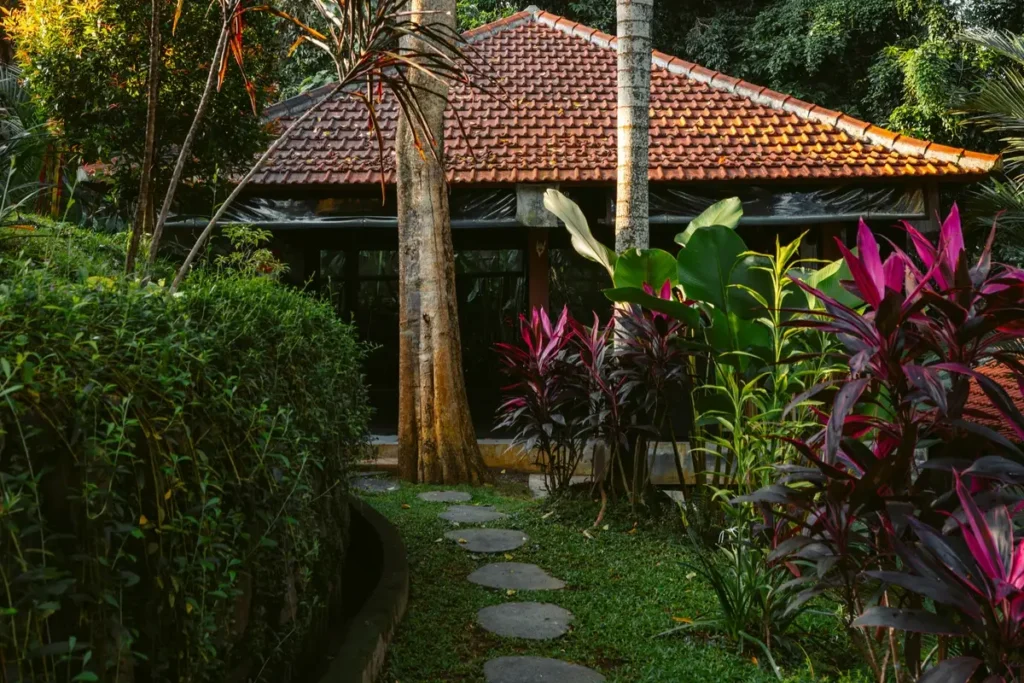
No, the rainy season in Bali is not as bad as people say: it mostly brings short tropical showers, not weeks of grey skies. Many travellers hear “Don’t go during the rainy season” and decide not to book. Yet Bali stays warm, green and lively in every month, and beaches, temples, surf and rice fields remain enjoyable, often with fewer crowds. This guide explains when the rainy season in Bali falls and what the weather is like month by month. It also shows how to make the most of your trip. You can also read about the best activities to enjoy in the rainy season in Bali.
From Emma
“We welcome guests at Pelan Pelan Bali all year round. From that experience, we can say the rainy season is not that bad. Guests often tell us the quieter, lusher atmosphere becomes their favourite part of the island.”
When is the rainy season in Bali?
The rainy season in Bali runs from November to March, and the dry season from April to October. December and January are usually the wettest months, while November and March are milder transition months. Monsoon winds drive this pattern, which is fairly consistent from year to year.
The wet months bring more clouds and humidity. Rain often falls in short bursts, for example an hour or two of heavy rain followed by sunshine. Most of the day usually stays open for activities.
What is the weather like in Bali during the wet months?
During the wet months, daytime temperatures in Bali are typically 28°C to 32°C (82°F to 90°F). The air often feels fresh after a shower. Rain in Bali is not cold or gloomy, as it is in many other regions. It stays warm enough to swim and spend time outdoors, even on wet days.
A common myth is that it rains all day. In reality, most days have plenty of sunshine. Mornings are often clear, and rain usually falls in the late afternoon or evening. Dramatic skies, lush landscapes and a slower pace describe the season better.
What can you expect in Bali month by month?
The rainy season in Bali has three phases: the transition, the heart of the season and the wind-down. Knowing each phase helps you plan your trip.
October and November: the transition
The dry season usually holds through October, with sunny skies and light breezes. These conditions suit long surf sessions and beach days. In November, humidity rises and brief showers begin, which marks the gentle start of the wet season. This shoulder period combines warm weather with thinner crowds, so it is a favourite for many travellers.
December and January: the heart of the season
In December and January, rain falls more often but rarely lasts all day. Sunny mornings suit surfing, yoga and sightseeing, and short afternoon showers cool and refresh the island. December is one of the greenest and most atmospheric times to visit.
February and March: winding down
Rainfall eases through February and into March. Indonesia’s meteorological agency has recently forecast slightly shorter dry seasons. The rains may arrive earlier or linger longer, but the overall balance stays similar.
This is an exciting time for intermediate and advanced surfers. The west coast, especially around Canggu, offers powerful, consistent waves through the wet months, with fewer crowds than in peak season. You can join a surf camp in the Canggu area with expert coaching. Another option is a 6-day, 5-night surf trip that covers several spots across the island at a relaxed pace.
Beginners find smaller, smoother waves on the east coast. These options suit couples, families and solo travellers. If you want to book our surf and yoga retreat in what we see as the best season, plan your stay from April onwards.
Why is the rainy season still a great time to visit Bali?
The wet months offer advantages that many travellers actually prefer.
Everything turns greener
After the first few weeks of rain, Bali turns bright green. The rice fields glow, the waterfalls run fuller and stronger, and the air feels cleaner. It is a rewarding time for photography and nature lovers.
Fewer tourists and more peace
Roads, beaches and attractions are less crowded in the rainy season. Many hotels and retreats offer lower rates than in the peak months. You get more space, more flexibility and more time to explore at your own pace.
Perfect for surfing and yoga
The west coast, especially around Canggu, stays lively with consistent breaks for intermediate and advanced surfers. A family surf camp lets parents and children learn and surf together in a supportive setting. Yoga and wellness retreats, including Pelan Pelan Bali, stay open all year. They offer riverside views, restorative spa treatments and space to rest between surf sessions.
Warm all year round
Temperatures stay comfortable throughout the year. You can swim, surf or relax outdoors without worrying about cold weather.
How should you prepare for Bali in the rainy season?
A little preparation helps you enjoy Bali in the rainy season.
- Pack smart: bring a light rain jacket, sandals and quick-dry clothes. At Pelan Pelan Bali, we provide umbrellas for our guests.
- Plan flexible days: save indoor activities such as spa treatments, sound healing and yoga for likely rain. Keep outdoor plans for the sunny periods.
- Start early: mornings are usually the clearest, so plan surf sessions, hikes and sightseeing before lunch.
- Stay patient and relaxed: tropical rain rarely lasts long. Enjoy a café, a massage or simply watch the rain as part of Bali’s charm.
Want to experience Bali’s green season with us? Contact us to plan your stay on our surf and yoga retreat.
Frequently asked questions
What will the weather be like in Bali in December?
December in Bali is warm and humid, with daytime highs around 31°C to 33°C and evenings near 24°C. It is the heart of the rainy season, with short, heavy showers that mostly fall in the afternoon or evening. Most days still get roughly seven to eight hours of sunshine.
How bad is the rainy season in Bali?
Expect bursts of heavy rain and high humidity, but not continuous rain. Showers pass quickly and clear skies often follow. After intense rain, low-lying areas may flood temporarily and roads can be slippery. Stay alert, check local weather updates and travel with extra care.
When does the rainy season in Bali start and end?
The rainy season in Bali typically runs from November to around March, with December and January the wettest months. The timing can shift by a few weeks each year, so check the forecast close to your travel dates. Sunny mornings are common, so the rain rarely disrupts a well-planned trip.
Is it safe to travel to Bali during the rainy season?
Yes, travelling to Bali in the rainy season is generally safe. Heavy rain can cause localised flooding in some low-lying areas, but most tourist destinations remain accessible. Local authorities and businesses are prepared, and standard safety measures apply. Follow weather updates and local advice, and avoid areas temporarily affected by flooding.
What is there to do in Bali during the rainy season?
During sunny periods, you can go surfing, practise yoga and visit temples and rice terraces. When a shower comes, switch to spa treatments, cooking classes, sound healing, cafés or local markets. This mix of outdoor adventure and calm indoor experiences is part of the appeal of the season.
Can I still enjoy my Bali vacation during the rainy season?
Yes, you can still enjoy your Bali holiday in the rainy season. Showers are usually short, which leaves plenty of time for outdoor fun. You also get fewer crowds, lower prices and greener scenery. Pack light rain gear and keep your plans flexible. Guests often say the quieter, lusher atmosphere becomes their favourite part.
Final thoughts on the rainy season in Bali
For adventure seekers, surfers and anyone who enjoys quiet moments in nature, the rainy season may be the best time to visit Bali. You get the same warm weather, greener views, a calmer side of the island, often better prices and more room to breathe. We welcome couples, families and solo travellers all year round for yoga, surfing or simply relaxing by the river.
Ready to see Bali’s calmer side? Book your stay on our surf and yoga retreat.