
What is Muscle Soreness After Surfing?
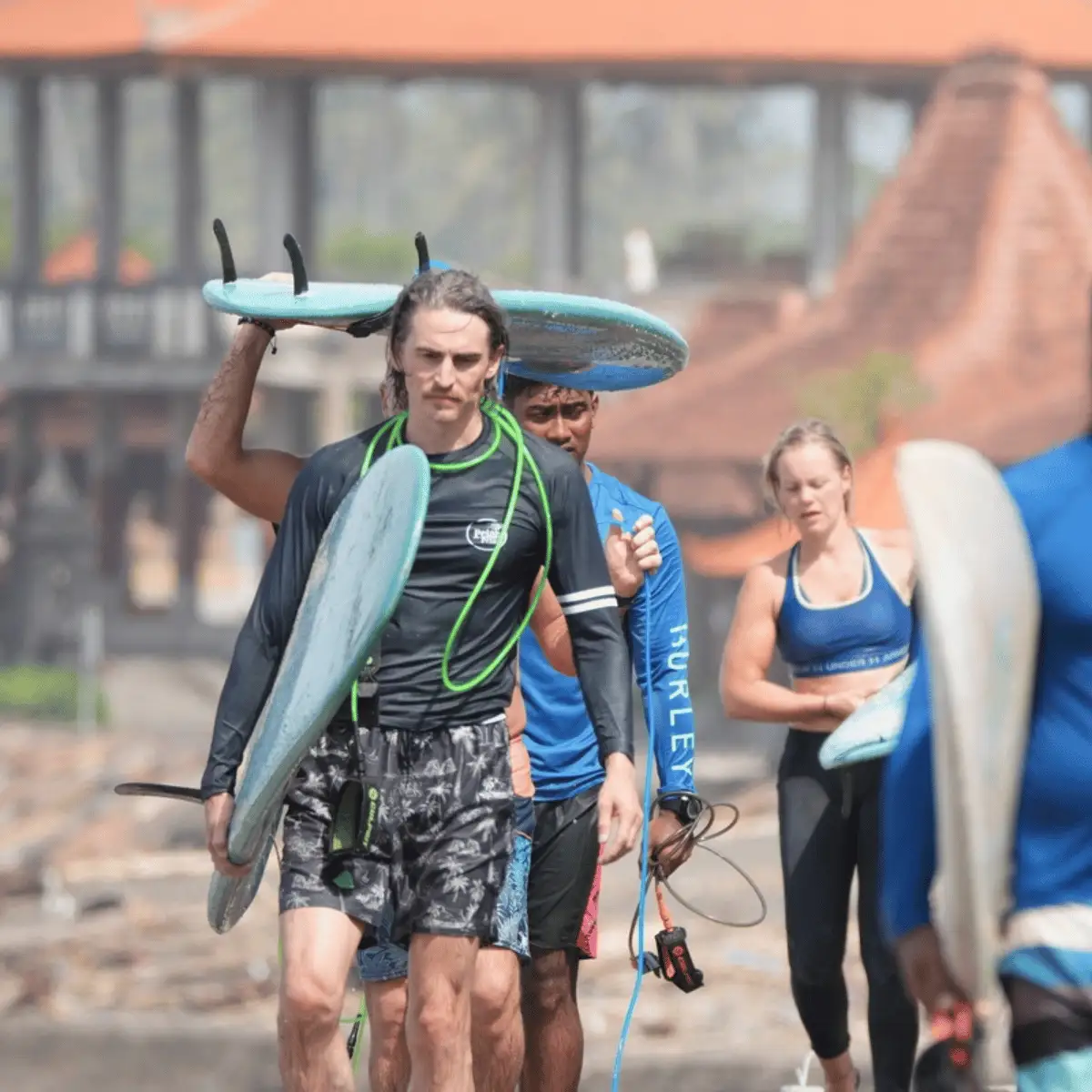
After surfing, you may experience muscle soreness, which happens when your muscles are stressed from the workout. This soreness is usually felt 24-72 hours after you surf and is called DOMS (Delayed Onset Muscle Soreness).
It’s completely normal, whether you’re a beginner or an experienced surfer. Areas like your shoulders, arms, back, hips, and legs are especially prone to feeling sore after a session.
While it may feel uncomfortable, it’s a sign that your muscles are working hard to recover and get stronger. The good news is that there are ways to relieve the soreness and speed up recovery.
Immediate Relief After Surfing
To start recovering quickly, you can use these practical methods for immediate relief:
Cold Therapy
One of the quickest ways to reduce muscle soreness is with cold therapy. You can either take a cold shower or, if you’re feeling brave, an ice bath.
Spend about 10-15 minutes in cold water, which helps reduce inflammation and muscle pain by constricting blood vessels and flushing out toxins.
Foam Rolling and Self-Massage
Foam rolling is an excellent way to release muscle tightness. Focus on areas like your shoulders, back, and legs.
Spend 1-2 minutes rolling each muscle group to reduce stiffness. You can also use self-massage to help your muscles relax and promote better blood flow.
Hydration and Nutrition for Muscle Recovery
What you put inside your body also plays a big role in how quickly you recover. Proper hydration and nutrition help repair muscles and reduce soreness.
Here are some simple ways to support your recovery:
Rehydration Options
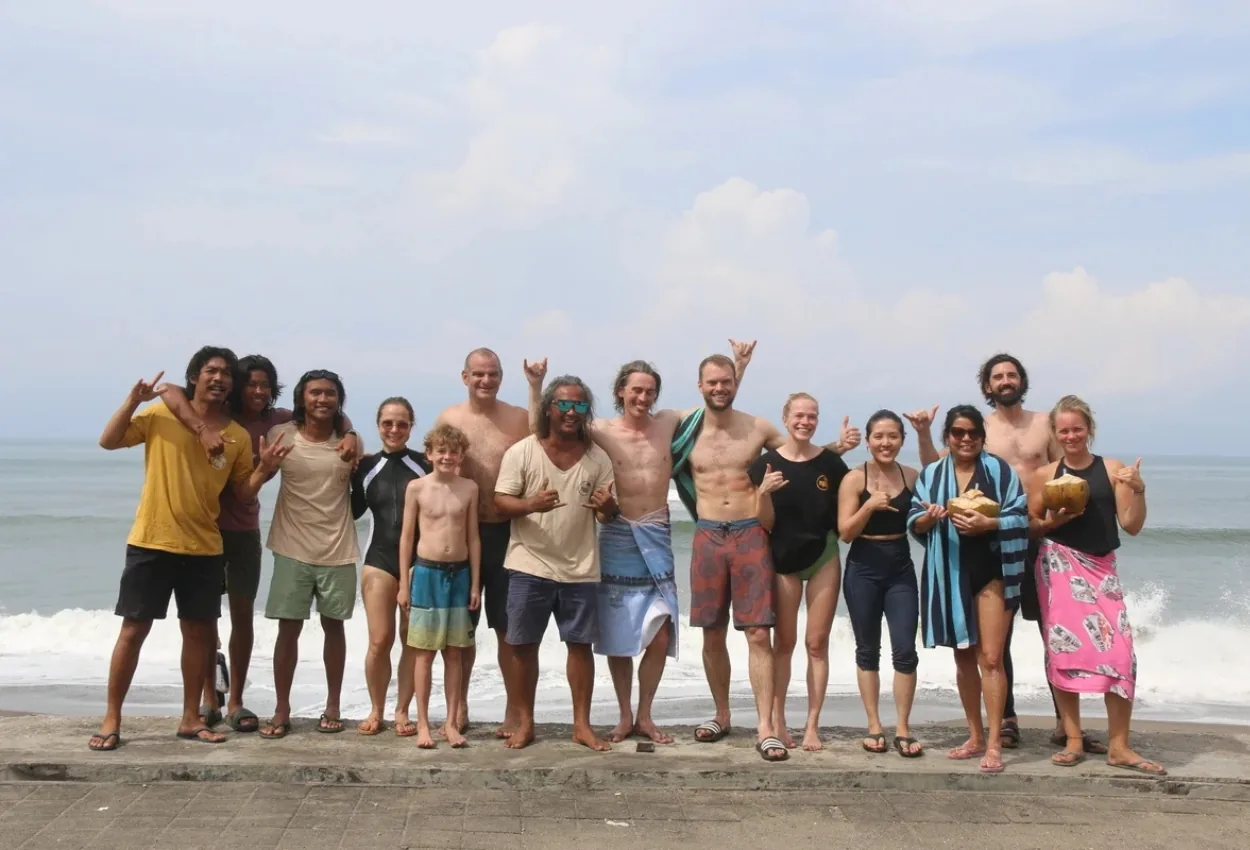
- Coconut water: This natural drink is full of electrolytes, which help rehydrate your body after a surf session.
- Electrolyte drinks: These drinks can help replenish minerals lost while surfing.
- Lemon water with Himalayan salt: This simple DIY drink helps restore electrolyte balance.
Epsom Salt Bath
Taking an Epsom salt bath is another great way to relieve sore muscles. Add 1-2 cups of Epsom salt to warm water and soak for 15-20 minutes.
Magnesium in Epsom salt helps your muscles relax and reduces soreness.
Active Recovery: Move Gently, Recover Faster
While it might feel tempting to just rest, gentle movement can help your muscles recover faster. Here are some low-impact ways to move your body and improve recovery:
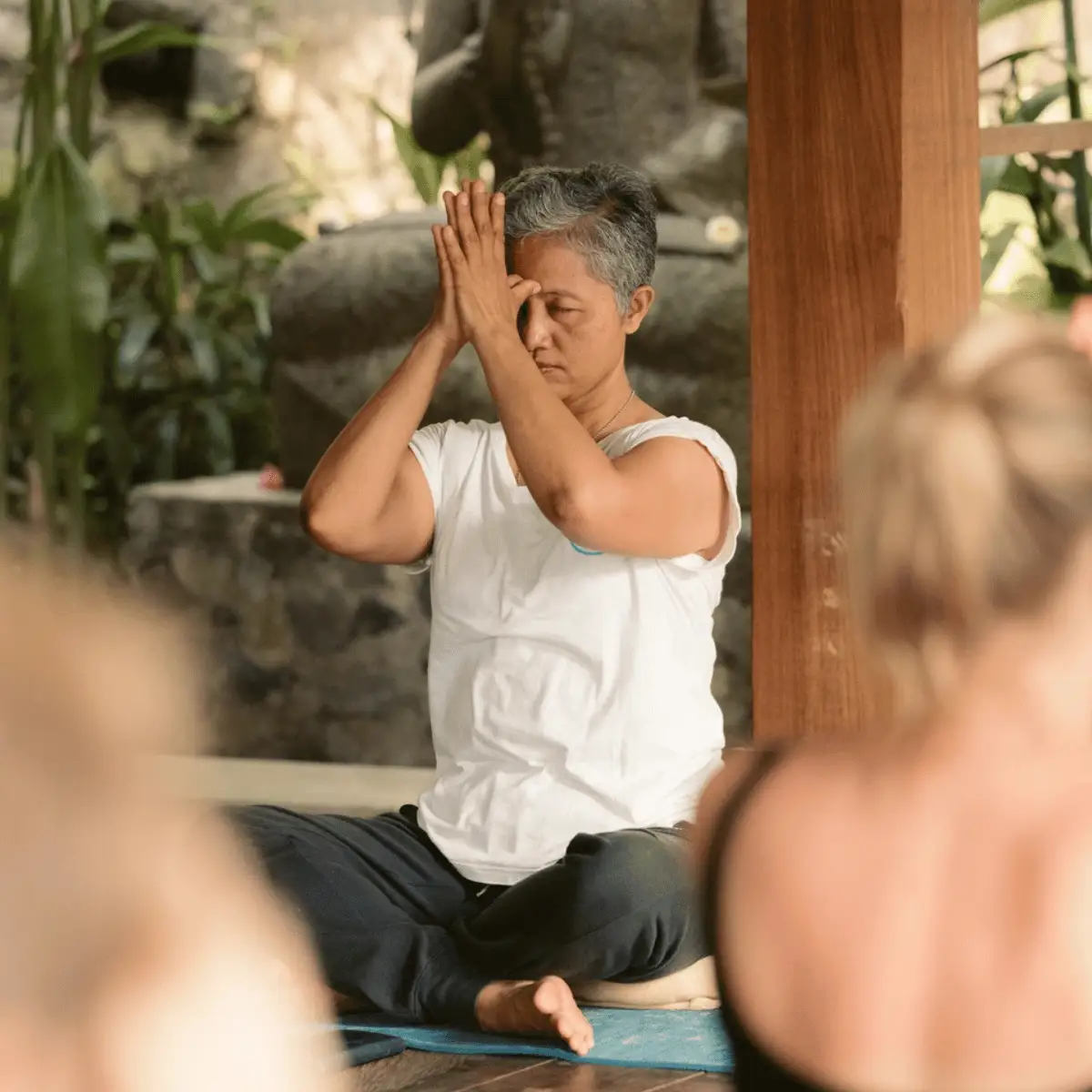
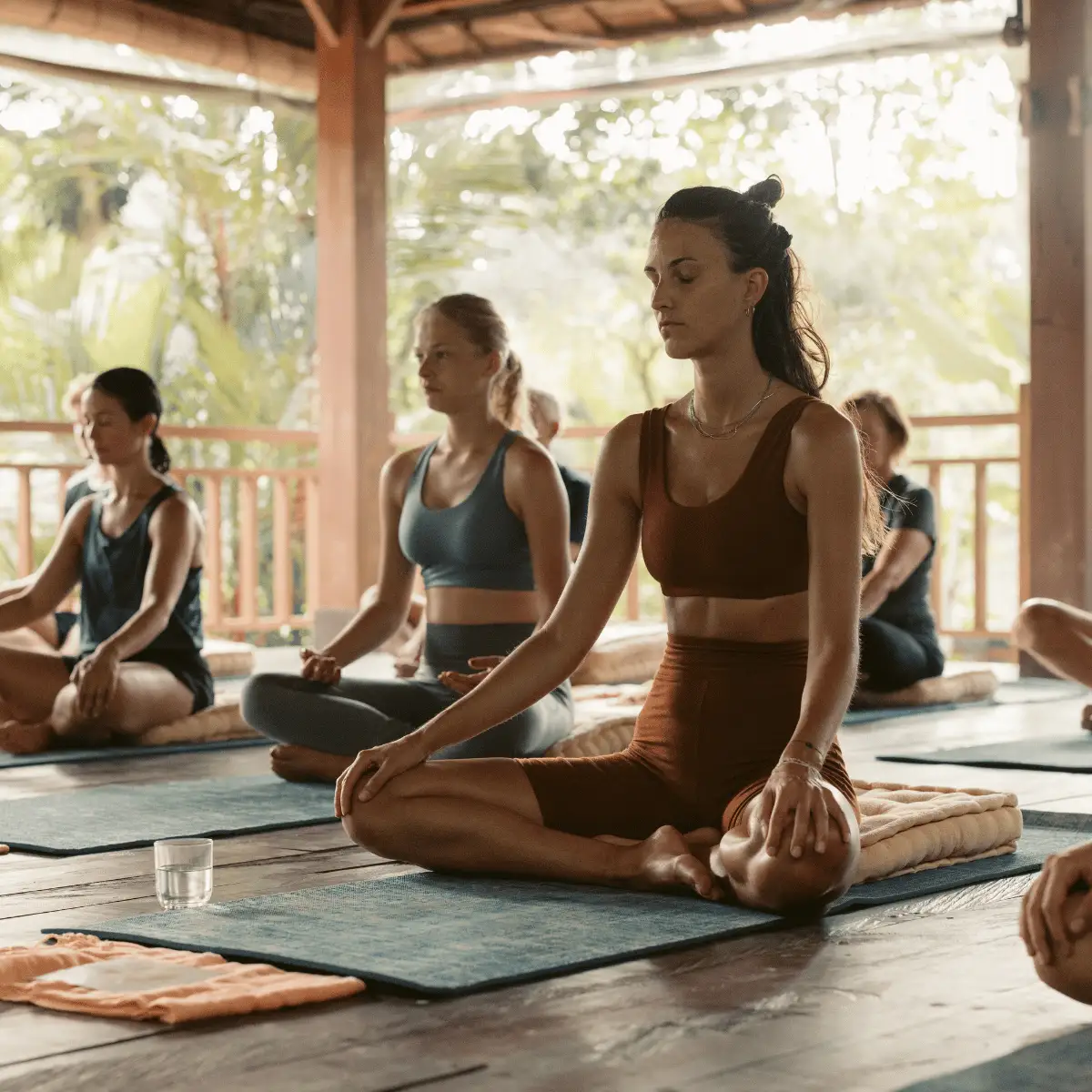
Stretching and Yoga After Surfing
Stretching is essential for improving flexibility and releasing tight muscles. Focus on your lats, hips, and spine, which are used a lot when surfing.
Poses like downward dog can help loosen up your body and relieve tension.
Light Activities
Engage in low-impact activities such as walking or easy swimming. These exercises help stimulate blood flow to your muscles without putting extra strain on them.
They’re great for helping your muscles recover and avoid stiffness.
Ongoing Recovery and Prevention
In addition to immediate relief, establishing long-term recovery habits is essential for keeping your muscles in good shape.
Magnesium Cream
Apply magnesium cream to sore muscles after a surf session. Magnesium helps your muscles relax and eases discomfort.
Prioritize Quality Sleep
Sleep is when your body does most of its muscle repair. Getting a good night’s sleep is crucial for muscle recovery.
Aim for at least 7-8 hours of rest to allow your body to heal and recharge.
Spacing Surf Sessions
It might be tempting to surf every day, but it’s important to space out your sessions to give your muscles enough time to repair. This will help prevent overuse injuries and promote long-term muscle health.
Bali Wellness Elements
If you’re in Bali, you can take advantage of natural remedies like turmeric or traditional jamu (an herbal drink) to support recovery and reduce inflammation.
Why Do Surfers Get Sore Muscles?
Sore muscles after surfing are a result of DOMS (Delayed Onset Muscle Soreness), which occurs when muscles are worked harder than they’re used to. It’s common in areas like the shoulders, arms, back, hips, and legs.
Whether you’re new to surfing or a seasoned surfer, DOMS is a normal part of the process. It’s important to remember that muscle soreness is not a sign that you’ve done something wrong; it’s your body’s way of telling you it’s repairing and getting stronger.
Recover and Recharge at Pelan Pelan Bali
If you want the ultimate surf-and-recovery experience, Pelan Bali is the perfect place for you. Our retreat in Canggu combines surfing with wellness, offering a relaxing environment for you to recover and recharge.
After a surf session, you can enjoy spa treatments that help relieve muscle tension and promote relaxation. Our yoga & surf retreat in Bali is a great choice for families, solo travelers, and couples, offering a peaceful atmosphere that’s ideal for anyone looking to combine surf with recovery.
Whether you’re looking to relax and unwind or explore Bali’s wellness culture, our retreat offers something for everyone. Contact us to experience the ultimate surf-and-wellness getaway.
Surf, recover, and relax with Pelan Pelan Bali. Book your stay today!
People Also Ask
Is it normal to be sore after surfing?
Yes, it’s completely normal to feel sore after surfing, especially if you’re new to the sport or had a tough session.
What helps muscle soreness go away fast?
Cold therapy, foam rolling, staying hydrated, and stretching can all help speed up muscle recovery.
Is it normal to have sore muscles after swimming?
Yes, swimming can also cause muscle soreness, particularly in your shoulders and arms.
How to stop being stiff when surfing?
Regular stretching, foam rolling, and yoga can help reduce stiffness and improve flexibility. Make sure to warm up before surfing and cool down afterward.